
What Must a Slip and Fall Attorney Prove to Win Big?
You didn’t see the wet floor because there was no sign warning you it was there. Now you’re nursing a fractured wrist, a manager is insisting the store “didn’t know” about the spill, and you’re wondering if this is even worth pursuing.
It is, and property owners count on victims assuming otherwise. Slip and fall claims are frequently dismissed by injured people as too minor or too hard to prove, which is exactly why so many go unfiled even when the property owner was clearly negligent.
A slip and fall attorney exists to cut through that uncertainty, establish what the property owner knew, and build the evidence needed to hold them accountable.
Whether it’s gathering evidence, negotiating with insurance companies, or representing clients in court, More 2 You handles every aspect with utmost professionalism and dedication.
Why These Cases Are Winnable More Often Than People Think
Slip and fall claims fall under premises liability law, which requires property owners to keep their premises reasonably safe or warn visitors of hazards they know about. That duty applies to private businesses, restaurants, hotels, grocery stores, shopping centers, and public buildings alike.
The challenge isn’t usually whether you fell — it’s proving the property owner knew, or reasonably should have known, about the hazard and failed to fix it in time. That’s a factual question, not an impossible legal barrier, and it’s exactly the kind of question a slip and fall injury lawyer is trained to answer.
National data consistently shows falls are a leading cause of emergency room visits in the United States, resulting in over a million hospital visits annually according to floor safety research organizations. This isn’t a rare or trivial category of injury. It’s a widespread, well-documented public health problem, and the law reflects that seriousness.

What Counts as a Slip and Fall Claim
Slip and fall cases extend well beyond wet floors. Premises liability claims commonly arise from uneven steps or broken stairs, exposed trip hazards like torn carpeting or loose cables, inadequate lighting in stairwells or parking areas, faulty handrails, malfunctioning elevators or escalators, and even negligent security that allows a preventable assault to occur.
Whether the fall happened at a private residence, a big-box retailer, a hotel, or a municipal building, the underlying legal question stays the same: did the property owner fail in their duty to keep the premises reasonably safe.
The Evidence That Actually Proves Negligence
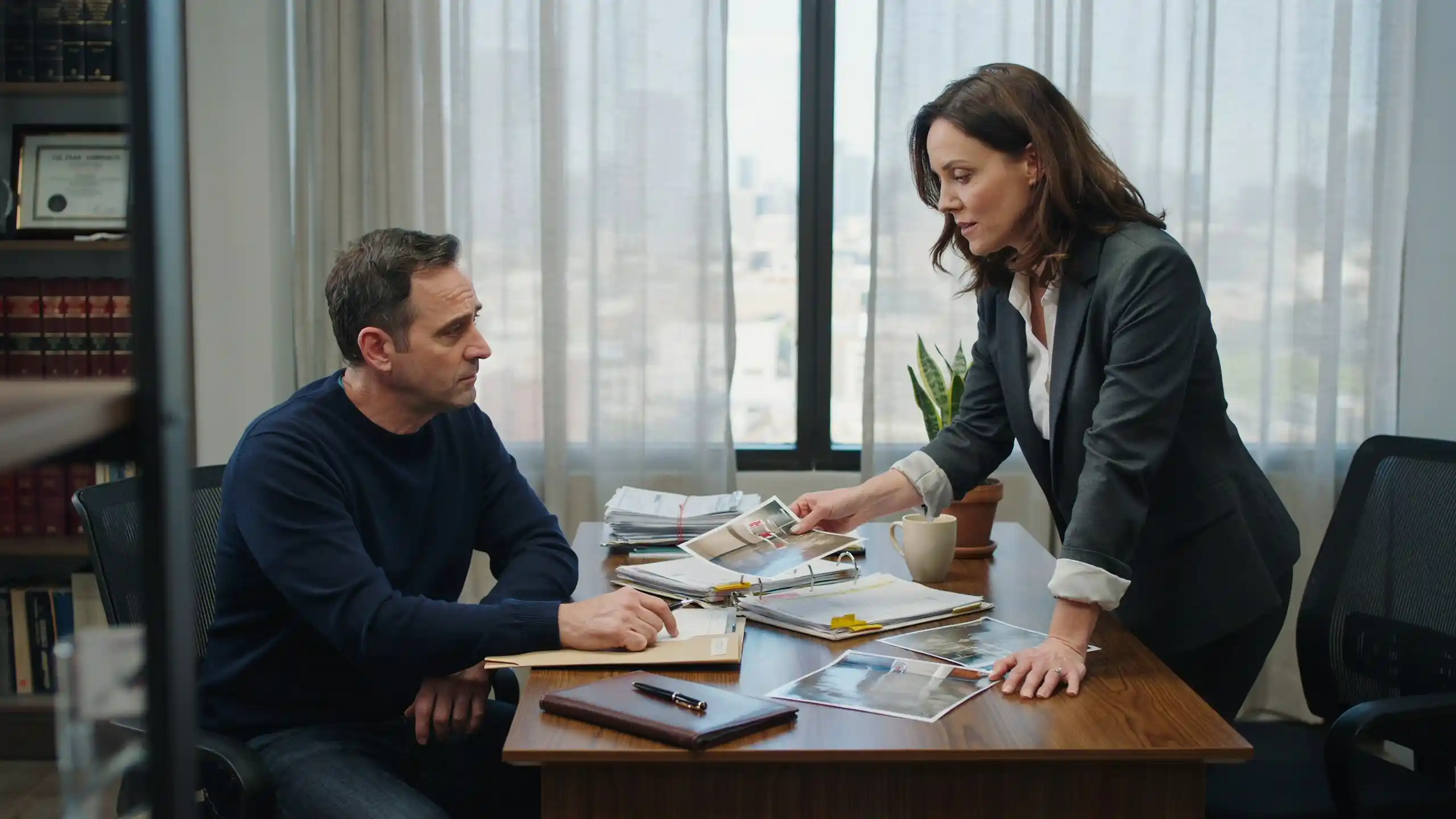
Photos of the hazard, taken before it gets cleaned up or repaired, are often the single most persuasive piece of evidence in a slip and fall case. Surveillance footage, where available, can show exactly how long a hazard existed before your fall, which speaks directly to whether the property owner should have caught it.
Incident reports filed with the property at the time of the fall create an official record that’s harder to dispute later. Witness statements from other customers or employees can confirm the hazard existed and wasn’t a one-time fluke. Medical records connecting your treatment directly to the fall complete the picture insurers need to see to take a claim seriously.
A slip fall lawyer alabama residents turn to knows how to gather this evidence quickly, before surveillance footage gets overwritten or a hazard gets quietly fixed and forgotten.
Why Property Owners Fight Back So Hard
The first response from most property owners or their insurers is to argue the fall was your fault — you weren’t watching where you were going, you were wearing the wrong shoes, you should have seen the hazard yourself. This is a predictable defense tactic, not a reflection of what actually happened.
An experienced slip and fall attorney anticipates this response and builds the case to counter it directly, documenting exactly why the hazard wasn’t reasonably visible or avoidable. This is also where comparative fault rules matter, since even a partial finding of fault can significantly reduce or eliminate compensation depending on your state’s law.

When Slip and Fall Cases Connect to Other Claims
A serious fall can lead to injuries that extend beyond a routine premises liability claim. A fall resulting in permanent cognitive impairment may become a catastrophic brain injury case, requiring long-term cost projections most standard claims don’t involve.
A fall that happens at a nursing facility due to inadequate supervision may raise separate nursing home abuse and neglect concerns. And a fall on the job may intersect with workers’ compensation, which involves a different claims process entirely from a standard premises liability suit against a third party.

The Fee Structure That Keeps More Money in Your Pocket
Most personal injury firms charge 33% to 45% of a settlement or judgment. More 2 You Law, PC charges 25% or less on prelitigation cases, which means significantly more of your recovery goes toward your medical bills, lost income, and recovery instead of legal fees.
On a $60,000 slip and fall settlement, the difference between a 40% fee and a 25% fee is $9,000 — money that matters when you’re facing mounting medical bills and missed paychecks.
What to Do Immediately After a Fall
Report the fall to the property owner or manager on the spot, and request a copy of the written incident report before you leave. Photograph the hazard, your injuries, and the surrounding area from multiple angles before anything changes.
Get contact information from anyone who witnessed the fall, since their account can become critical if the property owner later disputes what happened. Seek medical attention promptly, even for injuries that seem minor at first, since some fractures and soft-tissue injuries don’t show their full severity for days.
Avoid signing anything presented by the property’s insurance company, and avoid giving a recorded statement until you’ve spoken with a slip and fall lawyer. These statements are often used later to minimize your claim.
Don’t Assume Your Case Isn’t Worth Pursuing
Too many slip and fall victims write off a legitimate claim, either from embarrassment or the mistaken belief the case is too small or too difficult to win. Property owners and their insurers rely on that hesitation.
If you were injured in a fall caused by a property owner’s negligence, contact the slip and fall lawyers at More 2 You Law, PC to find out what your claim may be worth.
FAQs
How do I prove the property owner knew about the hazard?
Evidence such as prior complaint records, maintenance logs, surveillance footage showing how long the hazard existed, and employee testimony can establish that the owner knew or should have known. A slip and fall lawyer knows which records to formally request during the investigation.
What if I was partly to blame for not seeing the hazard?
Depending on your state’s comparative or contributory negligence rules, partial fault can reduce or, in some states, completely bar your compensation. This makes it especially important to have an attorney evaluate the specific facts of your fall early on.
Can I still file a claim if I didn’t report the fall immediately?
Yes, though reporting promptly strengthens your case significantly by creating a contemporaneous record. If you didn’t report right away, documenting the incident as soon as possible afterward, along with any medical treatment, still supports a valid claim.
How long do I have to file a slip and fall lawsuit?
Deadlines vary by state, generally around two years in Alabama, Florida, and Georgia, and three years in Mississippi, though claims against government-owned property often carry much shorter notice requirements. Missing these deadlines can permanently bar your right to recover compensation.
What if my fall happened at my workplace?
Workplace falls are typically handled through workers’ compensation rather than a standard premises liability claim, though a third party’s negligence, like a contractor’s, may create an additional claim. A slip and fall attorney can help determine which process applies to your situation.
Do slip and fall settlements really cover more than medical bills?
Yes, a properly valued settlement should also account for lost wages, reduced future earning capacity if the injury is long-lasting, and pain and suffering. Many injured people underestimate their claim’s value by focusing only on immediate medical costs.
What kinds of properties are most commonly involved in these claims?
Grocery stores, restaurants, hotels, retail stores, and apartment complexes are among the most frequent settings for slip and fall claims, largely due to foot traffic and spill risk. Public buildings and municipal property are also common, though these claims often involve different filing procedures.
Is it worth hiring a lawyer for a smaller slip and fall injury?
Even smaller injuries can involve significant medical costs and missed work, and insurers routinely offer less than a claim is worth to unrepresented claimants. A slip and fall injury lawyer can evaluate whether pursuing the claim makes sense based on the specific facts of your case.
RECENT POSTS

How Does a Personal Injury Lawyer Value a Brain Injury Case?
An 80,000-pound truck just changed your life. You're dealing with injuries, a totaled vehicle, and a trucking company that...

What Does a Car Wreck Attorney Do That You Can’t?
Your car is totaled. Your neck hurts. And an insurance adjuster is already calling, sounding friendly, asking you to "just...

How Does a Motorcycle Accident Attorney Fight Bias?
You laid the bike down avoiding a driver who never checked their mirror. Now you're facing surgery, a wrecked motorcycle,...