
Homeowners Claims in Storm Season: What to Do and What Not to Do
As storm season looms, the potential for damage to homes increases, bringing with it the challenge of navigating homeowners insurance claims. Understanding the correct steps to take, as well as common pitfalls to avoid, is crucial in ensuring you receive the rightful compensation for any losses or repairs. Drawing on the expertise of More 2 You Law Alabama homeowners insurance attorney, this article guides you through the essential practices for handling insurance claims during this tumultuous period, aiming to protect both your home and financial wellbeing. For further detailed support, More 2 You Law provides specialized advice at More2You.com.
Whether it’s gathering evidence, negotiating with insurance companies, or representing clients in court, More 2 You handles every aspect with utmost professionalism and dedication.
What to Do:
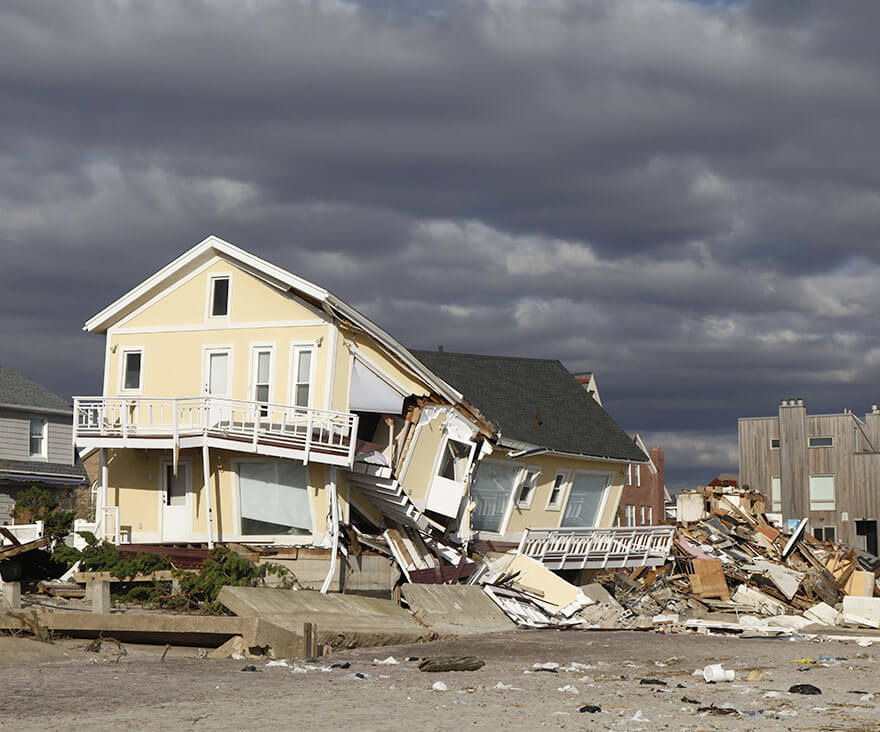
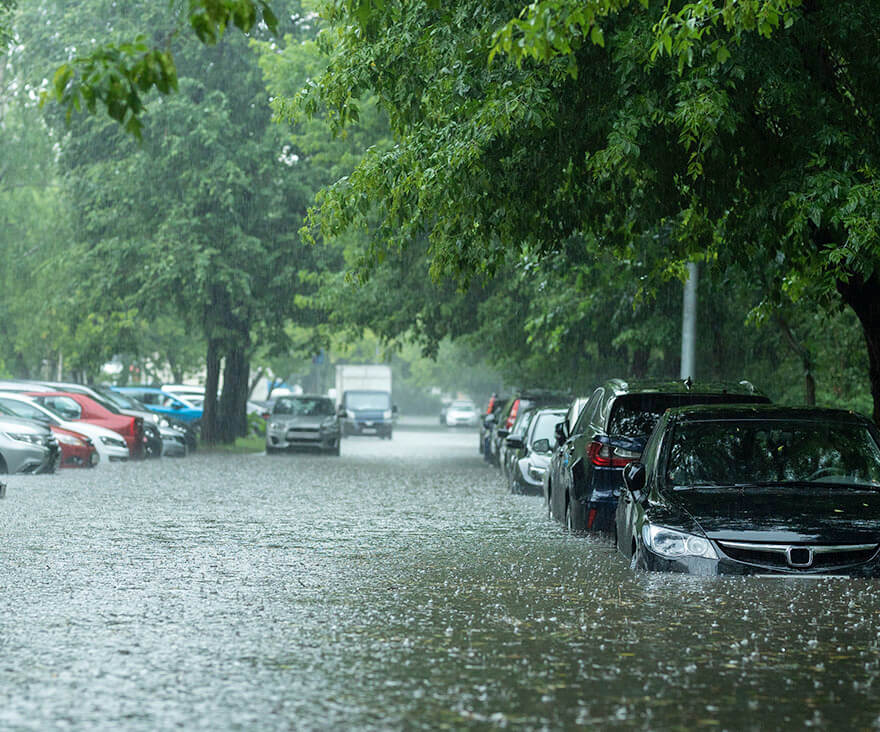
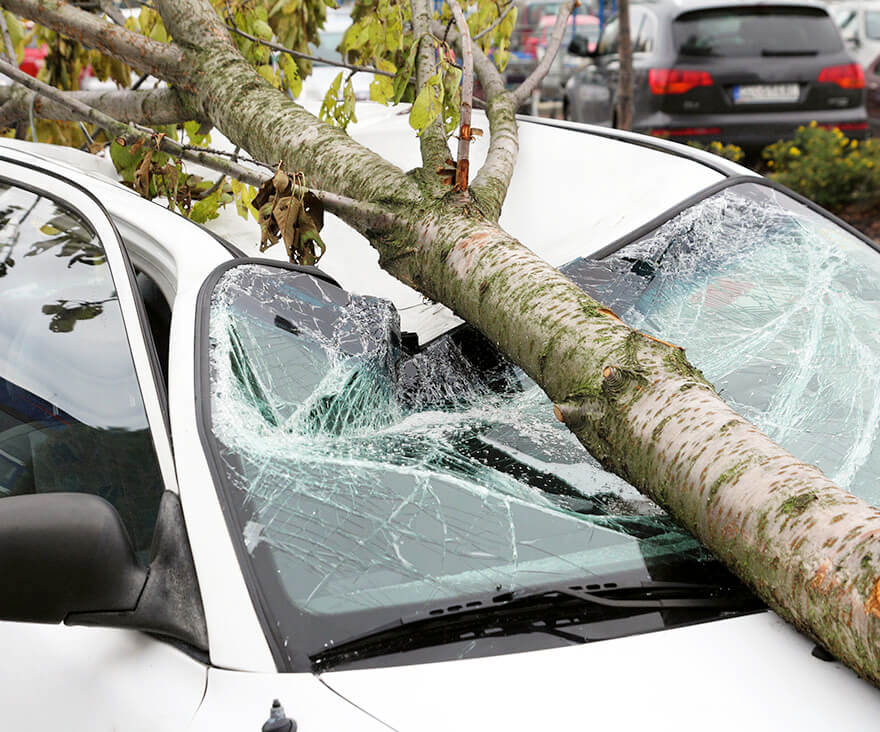
Documenting everything before and after a storm hits is crucial. This preparation involves taking comprehensive photos or videos of your property to capture its pre-storm condition and any post-storm damage. Understanding your homeowners insurance policy in detail is also vital; knowing what is covered and the deductibles involved helps set the right expectations for your claim. Prompt action in filing your claim is imperative, as delays can complicate the process. Furthermore, seeking professional advice can be a game-changer. Consulting with a More 2 You Law Alabama homeowners insurance attorney ensures you have a knowledgeable ally who can navigate the complexities of insurance claims on your behalf.



What Not to Do:
After a storm, it’s important not to delay repairs. Preventing further damage by making temporary fixes is essential, but these actions must be well-documented and communicated to your insurance company. Don’t overlook the small details; minor damages should also be included in your claim as they can accumulate to significant costs. Accepting the first offer from your insurance without proper consideration is another common misstep; it may not fully cover the extent of your damages. Finally, attempting to navigate the claims process alone can be overwhelming and may result in receiving less than what you are entitled to. The expertise of More 2 You Law Alabama homeowners insurance attorney can provide the necessary guidance and advocacy to ensure your claim is thoroughly handled, maximizing your potential compensation.
In summary, preparation and informed action are your best defenses during storm season. By understanding the dos and don’ts of handling insurance claims and seeking the support of More 2 You Law Alabama homeowners insurance attorney, you can confidently address the aftermath of storm damage. For personalized legal assistance and advocacy, consider visiting More2You.com. With the right strategies and professional guidance, the impact of storm season on your home and lifestyle can be significantly mitigated.
FAQs
1: What is a proof of loss, and is there a deadline to file one?
A proof of loss is a sworn, itemized statement of your damages that most policies require within a set number of days after the storm; missing this deadline can jeopardize your entire claim. Check your policy’s specific timeframe, since it varies by insurer and policy type.
2: What’s the difference between actual cash value and replacement cost coverage?
Actual cash value pays for damaged property minus depreciation, while replacement cost coverage pays what it actually costs to repair or rebuild without that deduction. Knowing which type your policy carries changes how much you can expect to recover.
3: Should I hire a public adjuster instead of an attorney?
Public adjusters negotiate claim values for a percentage fee but cannot represent you in litigation if the insurer denies or underpays your claim. An attorney can handle both negotiation and legal action, offering broader protection if disputes escalate.
4: What is insurance “bad faith,” and how does it apply to storm claims?
Bad faith occurs when an insurer unreasonably delays, denies, or underpays a valid claim without proper justification. Alabama law allows policyholders to pursue additional damages in bad faith situations beyond the original claim amount.
5: Does my mortgage lender need to sign off on my insurance settlement check?
Yes — for larger claims, insurers often issue checks jointly to the homeowner and mortgage company, requiring lender approval before funds are released for repairs. This can slow down your repair timeline if not managed properly.
6: Can secondary damage, like mold from a delayed repair, still be covered?
Coverage for mold or secondary damage often depends on how quickly you mitigated the original loss and documented the delay’s cause. Insurers may dispute these claims, arguing the homeowner failed to prevent worsening damage.
7: How long do I have to sue my insurer if a storm claim is denied?
Alabama generally allows a limited window to file a breach of contract lawsuit against an insurer, often shorter than typical personal injury deadlines. Acting quickly after a denial preserves your right to challenge it in court.
8: What is an appraisal clause, and when is it used in a dispute?
Many policies include an appraisal clause allowing either party to demand a neutral third-party valuation when they disagree on the damage amount. This can resolve disputes without full litigation, though the process still benefits from legal oversight.
RECENT POSTS

What Must a Slip and Fall Attorney Prove to Win Big?
You didn't see the wet floor because there was no sign warning you it was there. Now you're nursing a fractured wrist, a...

How Does a Personal Injury Lawyer Value a Brain Injury Case?
An 80,000-pound truck just changed your life. You're dealing with injuries, a totaled vehicle, and a trucking company that...

What Does a Car Wreck Attorney Do That You Can’t?
Your car is totaled. Your neck hurts. And an insurance adjuster is already calling, sounding friendly, asking you to "just...