
Can a Tenant Sue a Landlord for Property Damage Negligence in Alabama?
Most tenants don’t move into a rental expecting to end up in court. But sometimes landlords stop responding to repair requests, ignore known problems, or let small issues grow into serious damage — and tenants are the ones left paying for it.
If that’s your situation, you’re not alone, and you’re not without options. Property damage negligence is a legitimate legal claim in Alabama, and tenants who handle it the right way do recover compensation. The question is whether your situation meets the legal standard and whether you’ve built the kind of record that holds up when it counts.
This guide breaks it down — plain and practical.
Whether it’s gathering evidence, negotiating with insurance companies, or representing clients in court, More 2 You handles every aspect with utmost professionalism and dedication.
What Property Damage Negligence Actually Means
The term gets thrown around loosely, but it has a specific legal meaning.
Property damage negligence, in a rental context, means a landlord knew about a condition that needed fixing, had a legal obligation to fix it, and didn’t — and because they didn’t, your property got damaged.
It’s not enough that something broke. It’s not enough that you were inconvenienced. The landlord has to have known, had a responsibility to act, and chosen not to. That gap between their obligation and their action is where a negligence claim lives.
Alabama law holds landlords to a clear standard: rental properties must be kept in a reasonably safe and habitable condition. When landlords fall short of that standard and tenants suffer real losses because of it, the law gives tenants a path to recover.
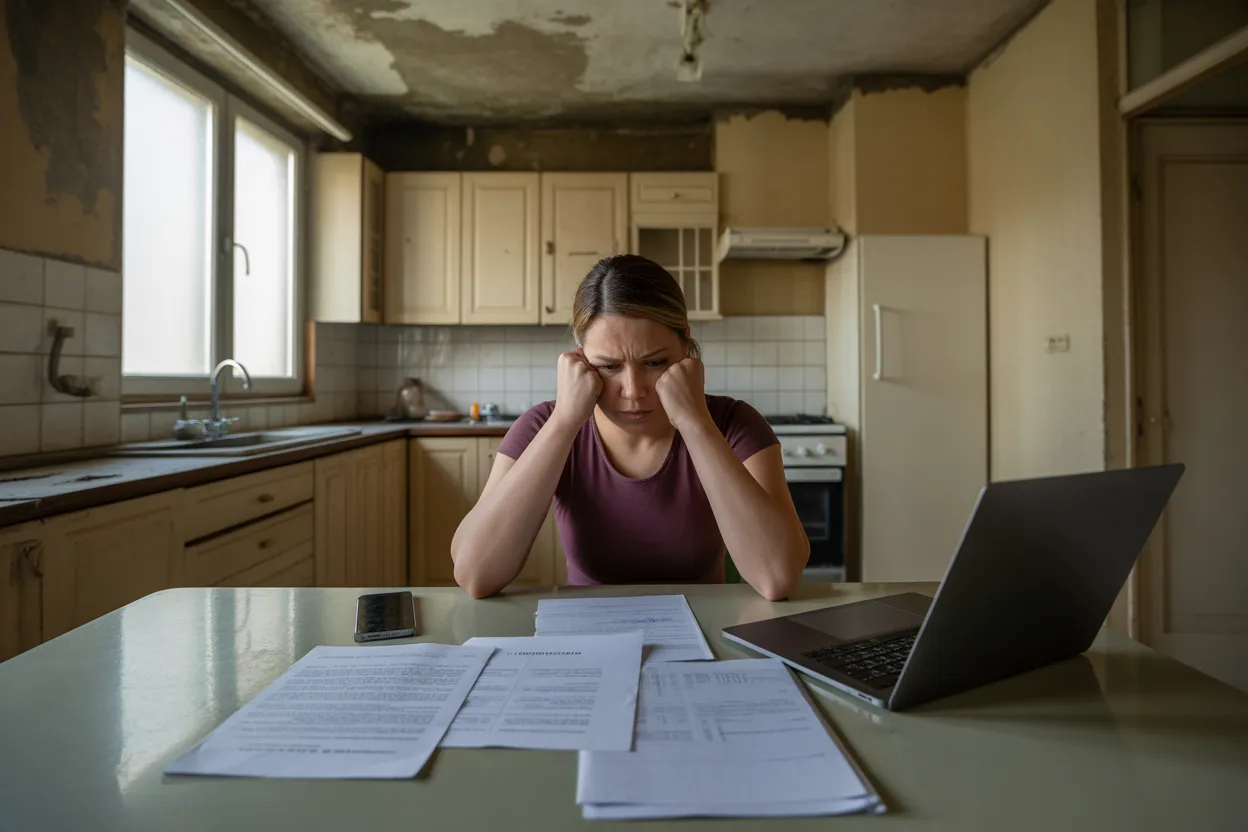
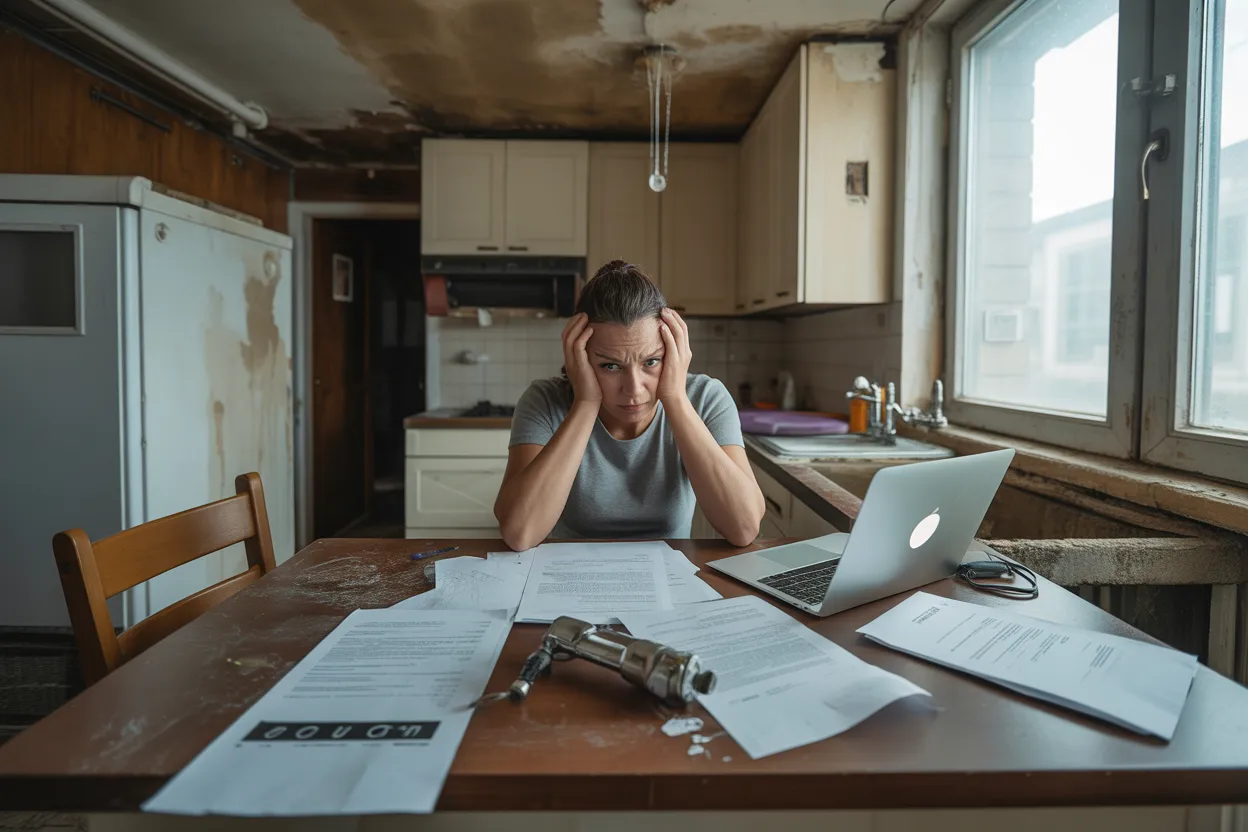
The Situations That Most Often Lead to Claims
Certain landlord failures come up again and again in property damage negligence cases. If your situation looks like one of these, it’s worth taking seriously:
Water leaks that went unrepaired. A dripping ceiling or a slow pipe leak that the landlord knew about and ignored. Over time it soaks through walls, ruins floors, destroys belongings. This is one of the most common property damage negligence claims filed in Alabama.
Mold from ignored moisture problems. When water issues don’t get fixed, mold follows. If the landlord knew there was a moisture problem and didn’t address it, and mold spread as a result, that’s on them.
Electrical hazards left unaddressed. Faulty wiring, overloaded circuits, exposed connections — electrical problems that get reported and ignored create fire risk and real damage.
Pest infestations the landlord refused to treat. If the landlord knew about an infestation and did nothing, and pests damaged your belongings or made the unit uninhabitable, you have grounds to pursue a claim.
Structural failures from long-ignored deterioration. A ceiling that collapses because the roof was never properly maintained. A floor that gives way because rot was left unchecked. These are serious property damage negligence situations that courts take seriously.
In every one of these cases, the negligence isn’t the problem itself — it’s the landlord’s decision not to deal with it.

What to Do Before You File Anything
Rushing to court before you’ve built your case is one of the biggest mistakes tenants make. What you do in the days and weeks before filing often determines what happens inside the courtroom.
Get your repair requests in writing. If you reported the problem verbally, follow up with an email or letter that confirms what was said and when. Written notice is hard to dispute. A phone conversation isn’t.
Photograph and video everything — with timestamps. The damage, the source, the progression. Courts respond to visual evidence in a way they don’t always respond to testimony alone.
Track every dollar. What was damaged, what it was worth, what you spent out of pocket because the landlord didn’t act. Keep the receipts, the invoices, the bank statements.
Give the landlord a reasonable chance to respond. Going straight to a lawsuit without giving any notice looks bad. Documenting that you gave notice and got nothing back looks a lot better.
This groundwork is what separates a property damage negligence claim that wins from one that gets dismissed on procedural grounds.
What Compensation Looks Like and Where to File
If you prove property damage negligence, Alabama courts can award you compensation for the actual value of damaged items, repair and replacement costs, and additional out-of-pocket losses that resulted from the landlord’s failure.
Small claims court works for lower-dollar disputes. It’s quicker, cheaper, and doesn’t require you to hire a property damage lawyer. Alabama’s small claims limit caps the amount you can recover there, so if your losses are significant, you’ll need to look at the next option.
Civil court is where larger property damage negligence cases get handled. The process is more involved, but the potential recovery is higher and there’s no ceiling on damages.
Renters insurance is worth mentioning here. It doesn’t take the place of a negligence claim, but it can get money to you faster — especially when the landlord disputes liability and the legal process drags on. If you don’t have it, this situation is a reminder of why it exists.
Alabama and Florida: The Key Difference Tenants Need to Know
Both states give tenants legal standing to pursue property damage negligence claims. The principles are the same. But there’s one major difference that changes the stakes considerably.
Alabama uses contributory negligence. Under this rule, if you are found even slightly responsible for the damage — even one percent — you can be completely barred from recovering anything. It’s one of the toughest standards in the country, and it means your case has to be airtight. Any suggestion that you contributed to the problem can cost you everything.
Florida uses comparative negligence, which is more forgiving. If you share some responsibility, your compensation gets reduced by your percentage of fault — but you can still recover something.
If you’re dealing with a situation that touches both states, or you’re not sure which rules apply, talk to an attorney before filing anything.

Conclusion
Property damage negligence cases are winnable. Tenants recover compensation in Alabama courts regularly. But the ones who succeed tend to have one thing in common — they documented everything, gave proper notice, and didn’t wait too long to act.
If your landlord knew about a problem, had a duty to fix it, and let it go until your property was damaged, that’s the core of a claim. What you do next is what determines whether it goes anywhere.
The attorneys at More 2 You Law work with Alabama and Florida tenants on exactly these situations. If you want to understand where your case stands, that’s a conversation worth having sooner rather than later.
FAQs
What counts as property damage negligence in Alabama?
It comes down to three things: the landlord knew about a problem, had a legal duty to fix it, and didn’t act in a reasonable time — and your property was damaged because of that failure. A leaky roof the landlord ignored for months while your ceiling caved in is a textbook example.
How long do you have to file a property damage negligence claim in Alabama?
Two years from the date the damage occurred. That sounds like plenty of time, but documentation gets harder to gather as time passes and memories fade. File sooner rather than later.
What does Alabama’s contributory negligence rule mean for tenants?
It means if the court decides you played any role — even a minor one — in causing or worsening the damage, you may walk away with nothing. It’s one of the strictest rules in the country. Your case needs to show the landlord was fully at fault, with nothing pointing back to you.
Can a tenant sue over water damage caused by an unrepaired leak?
Yes, if the landlord knew about the leak and didn’t fix it. Knowledge and inaction are the two things you need to establish. If you reported it in writing and have photos showing it got worse while the landlord did nothing, that’s a solid foundation for a property damage negligence claim.
Do you need written proof to file a property damage negligence lawsuit?
You don’t need it to file, but you’ll have a hard time winning without it. Written repair requests, dated photos, and itemized receipts are what give a judge or jury something concrete to work with. Without documentation, it becomes your word against the landlord’s.
How much can a tenant recover in a property damage negligence case?
It depends entirely on what you lost and what you can prove. Courts can award the replacement or repair cost of damaged property, related out-of-pocket expenses, and in cases involving serious or prolonged negligence, additional damages on top of that. Strong documentation is what drives the number up.
Can unsafe living conditions be included in a property damage negligence claim?
Yes. Exposed wiring, structural damage, severe mold — if those conditions existed because the landlord failed to maintain the property and your belongings or finances were affected, they belong in the claim.
Who pays for damage that tenants caused themselves?
Tenants are responsible for damage they cause beyond normal wear and tear. Landlords can deduct those costs from the security deposit or pursue additional compensation through the courts. That said, if the damage traces back to something the landlord should have fixed and didn’t, that changes the picture.
RECENT POSTS

What Must a Slip and Fall Attorney Prove to Win Big?
You didn't see the wet floor because there was no sign warning you it was there. Now you're nursing a fractured wrist, a...

How Does a Personal Injury Lawyer Value a Brain Injury Case?
An 80,000-pound truck just changed your life. You're dealing with injuries, a totaled vehicle, and a trucking company that...

What Does a Car Wreck Attorney Do That You Can’t?
Your car is totaled. Your neck hurts. And an insurance adjuster is already calling, sounding friendly, asking you to "just...