
Distracted Driving Accident Lawyer: What Victims Need to Know
A distracted driver just changed your life in seconds. You’re dealing with injuries, mounting medical bills, missed work, and an insurance company already working against you. Every day you wait, critical evidence disappears and your options narrow. A distracted driving accident lawyer at More2You can step in immediately, preserve that evidence, and fight for every dollar you deserve.
Whether it’s gathering evidence, negotiating with insurance companies, or representing clients in court, More 2 You handles every aspect with utmost professionalism and dedication.
What Is Distracted Driving?
Distracted driving happens any time a driver shifts attention away from the road. It falls into three types: visual (eyes leave the road), manual (hands leave the wheel), and cognitive (mind leaves the task of driving).
Texting is uniquely lethal because it triggers all three at once. But the phone is not the only cause.
Forms of Distraction Beyond the Phone
Drivers cause serious accidents every day while scrolling TikTok, adjusting in-car touchscreens, eating, arguing with passengers, or dealing with pets in the vehicle. Even a hands-free phone call creates dangerous cognitive distraction — keeping hands on the wheel does not keep attention on the road.
If a driver’s distraction caused your crash anywhere in Alabama, Florida, Georgia, or Mississippi, that behavior qualifies as negligence under personal injury law — regardless of whether they received a citation at the scene.
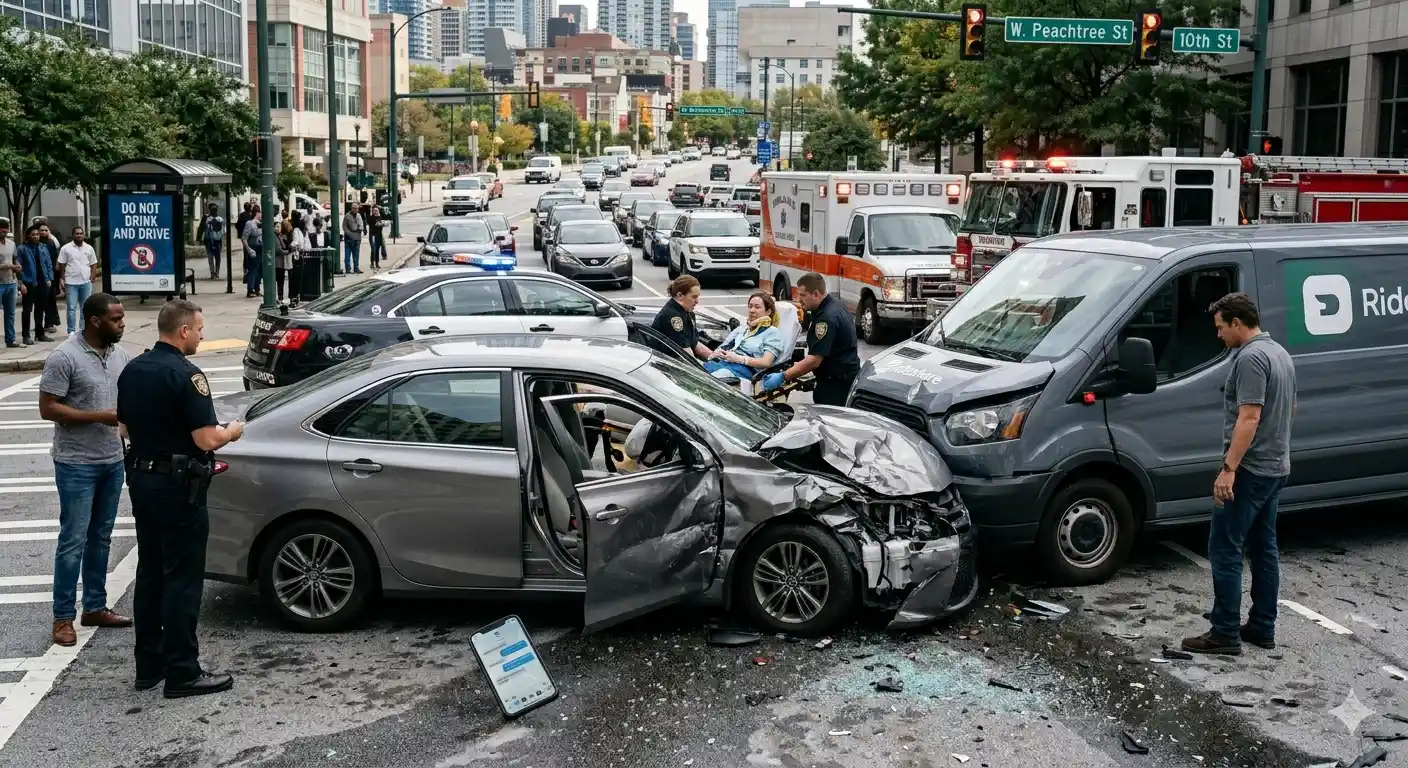

What These Crashes Actually Look Like
A driver glances at an Instagram notification at a red light. The light turns green, traffic ahead slows, but the driver is still looking down. They never brake. They hit the car in front at near-full speed — no skid marks, no evasive action, just a full-speed impact that a one-second decision made inevitable. This is the standard pattern in distracted driving crashes, not an exception.
Two Causes Mostly Ignore
Texting, eating, and GPS use get most of the attention. Two other categories carry serious legal weight.
Rideshare and Delivery Driver Distraction
Uber, Lyft, DoorDash, and Amazon Flex drivers constantly monitor navigation apps and accept incoming job pings while moving through traffic across Florida, Georgia, Alabama, and Mississippi. If a rideshare or delivery driver hit you, the platform may share liability — depending on whether the driver was actively on a job at the time. These cases involve multiple insurance layers and need a lawyer involved from the start. Our rideshare accident attorneys at More2You handle exactly these claims.
When the Driver Was Working
If the driver was on a work call, making a business delivery, or operating a company vehicle, their employer may be liable alongside them under the doctrine of respondeat superior.
That means a second defendant — one with deeper pockets — may owe you compensation. An attorney establishes whether the driver was acting within the scope of employment at the moment of the crash.
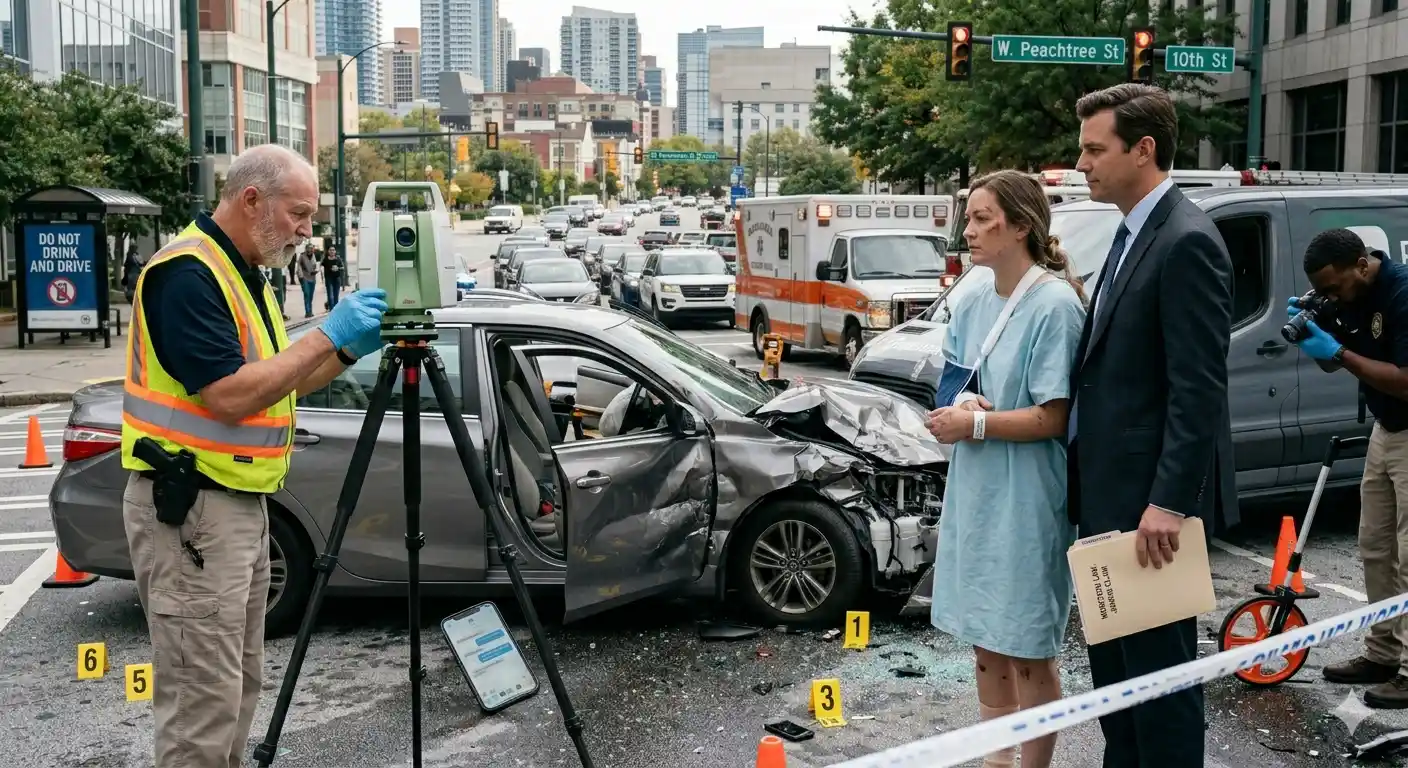
Injuries Caused by Distracted Driving Crashes
Distracted crashes produce worse injuries than most other collision types for one reason: the at-fault driver takes zero evasive action. No braking. No swerving. Full-speed impact into whatever is in front of them.
Physical Injuries
Traumatic brain injuries carry long-term consequences — memory loss, mood disorders, speech impairment, and learning disabilities. Spinal cord damage can cause partial or complete paralysis. Broken bones, lacerations, internal organ damage, and severe whiplash are among the most common diagnoses.
Psychological Injuries That Factor Into Your Claim
Many victims develop PTSD, chronic anxiety, sleep disorders, and depression after the crash. These are not minor side effects — they are compensable non-economic damages with real dollar value. Documenting psychological impact from the first week of treatment strengthens your claim and raises its total value. Learn more about the full range of damages in personal injury cases.
Distracted Driving Laws in Alabama, Florida, Georgia, and Mississippi
Each of the four states we serve has its own rules. Knowing which law applies to your crash directly affects how your attorney builds the negligence case against the at-fault driver.
Alabama
Under Ala. Code § 32-5A-350, texting while driving is a primary offense — officers can pull a driver over for it alone. Since June 2024, Alabama’s hands-free law also prohibits physically holding a phone while driving, though it remains a secondary offense requiring another traffic violation first. Drivers under 18 face a full ban on all mobile phone use, including hands-free. In 2022 alone, distracted drivers caused 67 fatalities on Alabama roads — a 36% increase from the prior year, according to Drive Safe Alabama.
Florida
Florida Statute § 316.305 bans texting while driving as a primary offense, allowing officers to stop a driver solely for phone use. All handheld phone use in active school and construction zones is prohibited regardless of driver age. Drivers under 18 face a complete ban on all wireless device use. Florida recorded 53,596 distracted driving crashes in 2022 — resulting in 268 deaths and 2,574 serious injuries, according to the Florida Highway Safety and Motor Vehicles data.
Georgia
Georgia’s Hands-Free Georgia Act (O.C.G.A. § 40-6-241) is one of the strongest distracted driving laws in the country. Drivers cannot hold or support a phone with any part of their body — including resting it on a leg. Sending texts, reading emails, recording video, scrolling social media, and touching a phone to control music are all prohibited while the vehicle is moving. A violation of this law is direct evidence of negligence in a civil lawsuit.
Mississippi
Mississippi Code § 63-33-1 bans texting while driving for all drivers. Mississippi does not yet have a comprehensive hands-free law, but that legal gap does not protect distracted drivers from civil liability. If a Mississippi driver’s phone use or other distraction caused your crash, an attorney can prove negligence through phone records, witness accounts, and vehicle data regardless of whether a citation was issued.
The Filing Deadline You Cannot Miss
Every state we serve sets a firm deadline to file a personal injury lawsuit:
- Alabama: 2 years from the date of injury (Ala. Code § 6-2-38)
- Florida: 2 years from the date of injury (Fla. Stat. § 95.11, for causes of action after March 24, 2023)
- Georgia: 2 years from the date of injury (O.C.G.A. § 9-3-33)
- Mississippi: 3 years from the date of injury (Miss. Code § 15-1-49)
Government vehicle cases in all four states compress those deadlines significantly — sometimes to as little as 90 days to file a formal notice of claim. Miss any deadline and you permanently lose the right to sue, regardless of how strong your case is.
How Fault Is Proven in a Distracted Driving Case
Every negligence case rests on four elements: duty (the driver owed a standard of care), breach (they failed that standard through distraction), causation (the distraction directly caused the crash), and damages (you suffered real losses). Causation is where most cases are decided.
The Evidence That Wins These Cases
- Cell phone records — subpoenaed from the carrier, showing call logs, SMS timestamps, and data activity at the time of impact. Preservation letters go out immediately before carriers delete records on their standard schedule.
- Event Data Recorder (EDR) — the vehicle’s black box captures speed, braking input, steering angle, and throttle position in the seconds before impact. No braking in the data is direct proof of inattention.
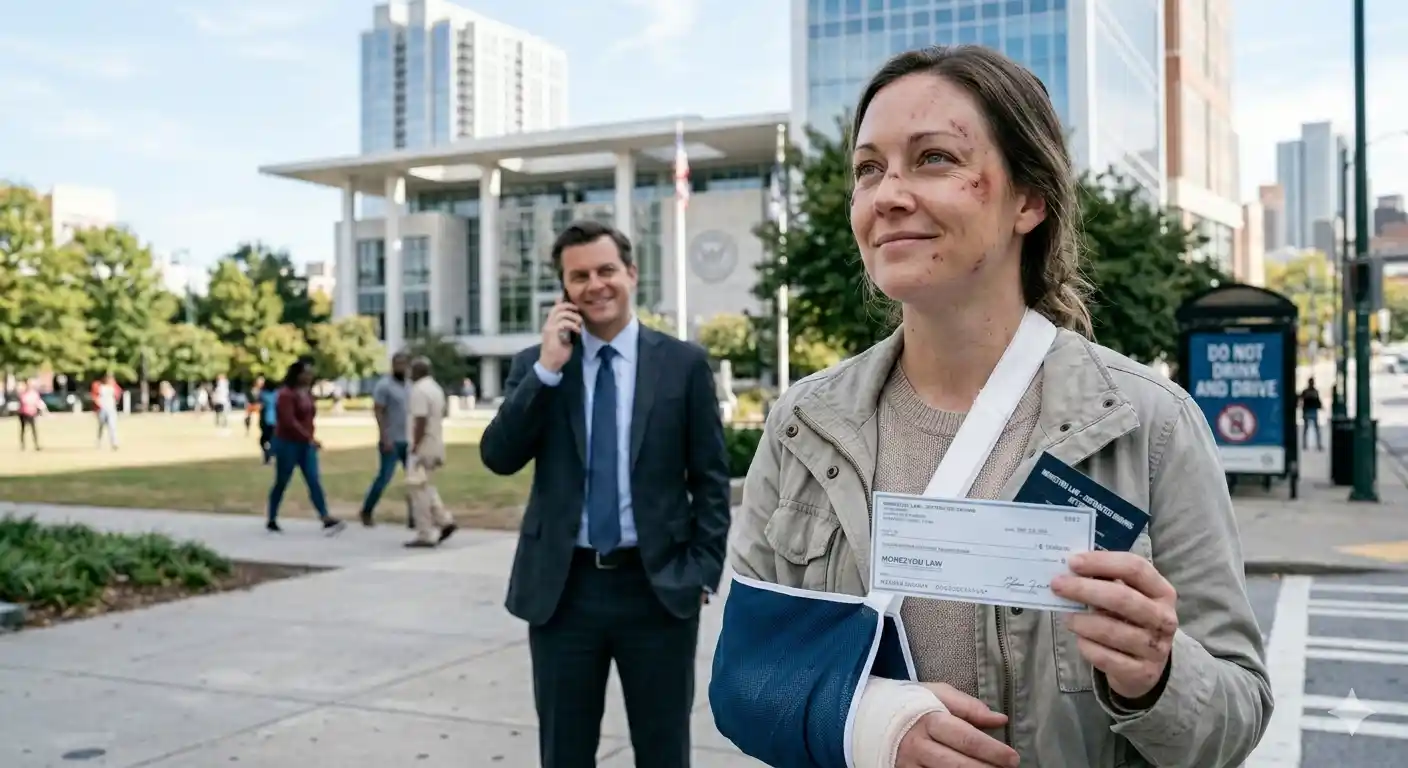
- Traffic cameras, dashcams, and business surveillance — footage showing the driver looking down or failing to react before impact.
- Lack of skid marks — physical proof the driver never attempted to stop.
- Witness statements — accounts of phone use, erratic movement, or no reaction to changing road conditions.
How Shared Fault Affects Your Payout
All four states follow contributory or comparative fault rules that directly affect your recovery. Alabama applies contributory negligence — one of the strictest standards in the country. If a court finds you even 1% at fault, you may recover nothing. Florida, Georgia, and Mississippi follow comparative fault rules that reduce your award by your percentage of fault without fully barring recovery in most cases. Insurers in all four states routinely inflate victim fault assignments to minimize payouts. An attorney disputes those figures with documentation from the moment the claim opens.
What to Do After the Crash — and What to Avoid
Take these steps immediately:
- Call 911 and file a police report, even if the crash looks minor
- Photograph the scene, vehicle damage, road conditions, and whether skid marks are present or absent
- Collect witness names and contact details
- Get medical attention the same day — TBI and soft tissue symptoms often surface days later, not at the scene
- Write down whether the other driver was holding a phone, looking down, or showed no sign of braking
These mistakes will hurt your case:
- Posting anything about the accident on social media — insurance adjusters check these accounts
- Giving a recorded statement to the other driver’s insurer before talking to a lawyer
- Signing any medical authorization or release before you retain an attorney
- Taking the first settlement offer — it is nearly always far below what your case is worth
- Waiting to see a doctor — a gap in treatment gives insurers a written argument that your injuries are not serious
If the Driver Fled the Scene
File a police report immediately. That report activates an investigation using surveillance footage, license plate readers, and witnesses. Check your own insurance policy for uninsured motorist (UM) coverage — it can pay your damages even if the driver is never found. Call a hit-and-run accident attorney at More2You that day, because hit-and-run evidence disappears faster than any other case type.
What Compensation Can You Recover?
Economic damages cover every financial loss you can document: ER and hospital bills, surgery, specialist visits, physical therapy, prescriptions, future medical care, lost wages, long-term loss of earning capacity, vehicle repair or replacement, and rental costs while your car is out of service.
Non-economic damages cover losses that carry no receipt: pain and suffering, PTSD and anxiety, loss of enjoyment of life, scarring and disfigurement, and loss of consortium for your spouse or partner. In serious injury cases these damages often exceed the economic total.
Punitive damages are available when the driver’s conduct was especially reckless — distracted driving combined with drunk driving, for example. Courts in Alabama, Florida, Georgia, and Mississippi all recognize punitive damages in egregious distracted driving cases.
One point that costs victims money: once you sign a settlement, you cannot reopen it — even if your condition deteriorates or new surgery becomes necessary. A medical expert and economist project your future costs before any settlement is signed. That projection is what separates a settlement that covers you from one that runs out in two years.
The evidence your case depends on starts disappearing the moment the crash happens. Phone records get purged on carrier schedules. Dashcam footage gets overwritten within days. Witnesses move on and forget. Contact More2You today for a free consultation — we serve clients across Alabama, Florida, Georgia, and Mississippi with no upfront fees and no obligation.
FAQs
Can I still file a claim if I have no proof the other driver was on their phone?
Yes. Phone records come from the carrier via subpoena. EDR data, dashcam footage, witness accounts, and the absence of skid marks can all establish distraction without a photo of the phone in hand.
Does Alabama’s contributory negligence rule mean I can’t recover if I was partly at fault?
Alabama’s contributory negligence standard is strict — even slight fault on your part can bar recovery. That is exactly why having an attorney from the start matters. An attorney documents the other driver’s distraction thoroughly and pushes back against any attempt to assign you partial blame without evidence.
How long does a distracted driving accident settlement take in these states?
Most cases in Alabama, Florida, Georgia, and Mississippi resolve in 4 to 12 months. Severe injuries or disputed liability extend that timeline. Cases that reach trial typically take 1 to 3 years. Getting an attorney involved early shortens the process by locking in evidence before it disappears.
Can I sue if the other driver admitted fault at the scene but the insurer denies it?
Yes. An admission at the scene is useful but does not bind the insurance company. The insurer responds to documented evidence — police reports, phone records, EDR data — not to what the driver said on the roadside.
What if the at-fault driver had no insurance?
Your own UM coverage may pay your damages. An attorney also investigates whether an employer, vehicle owner, or government entity shares liability and carries coverage.
Does it cost anything to hire a distracted driving accident lawyer?
Nothing upfront. More2You works on a contingency fee — you pay nothing unless we win. The fee is a percentage of your final recovery, spelled out in writing before you sign anything.
What is the deadline to file a distracted driving lawsuit in my state?
Alabama, Florida, and Georgia each allow 2 years from the date of injury. Mississippi allows 3 years. Government vehicle cases in all four states can compress those deadlines to as little as 90 days. The clock starts on the day of the crash — contact an attorney before any deadline approaches.
RECENT POSTS

What Must a Slip and Fall Attorney Prove to Win Big?
You didn't see the wet floor because there was no sign warning you it was there. Now you're nursing a fractured wrist, a...

How Does a Personal Injury Lawyer Value a Brain Injury Case?
An 80,000-pound truck just changed your life. You're dealing with injuries, a totaled vehicle, and a trucking company that...

What Does a Car Wreck Attorney Do That You Can’t?
Your car is totaled. Your neck hurts. And an insurance adjuster is already calling, sounding friendly, asking you to "just...