
What Is an Uninsured Motorist Claim and How Does It Work?
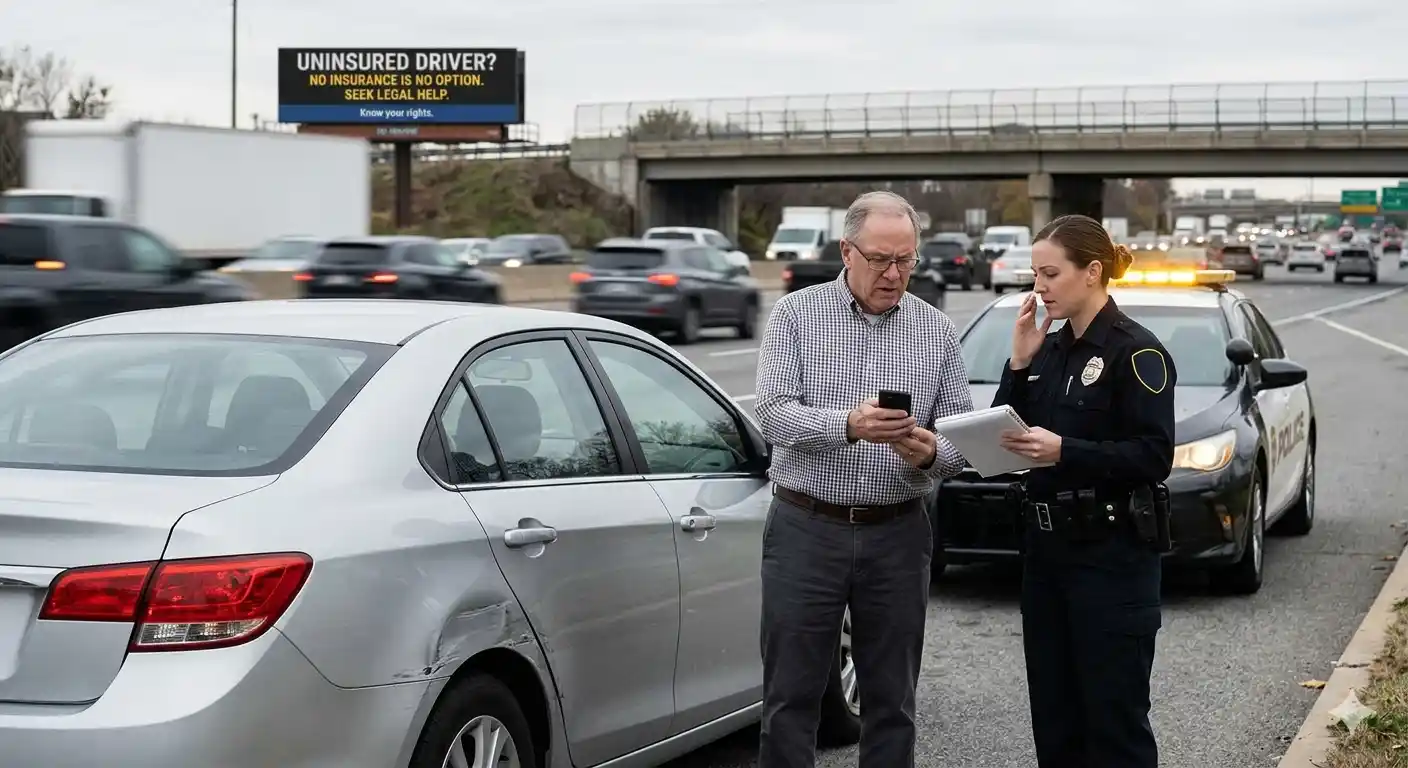
A car accident is already overwhelming—but it becomes even more financially stressful when the at-fault driver does not have insurance. Unfortunately, this situation is more common than many people realize. When this happens, your financial recovery depends on something called an uninsured motorist claim.
An uninsured motorist claim allows you to seek compensation through your own insurance policy when the negligent driver cannot pay for your losses. It is one of the most important protections available under modern auto insurance policies.
At More 2 You Law, we help injured victims understand their rights and navigate the complex insurance claim process so they can recover fair compensation for medical bills, lost wages, and pain and suffering.
This guide explains everything you need to know about uninsured motorist claims, including how they work, what they cover, and how to maximize your settlement.
Whether it’s gathering evidence, negotiating with insurance companies, or representing clients in court, More 2 You handles every aspect with utmost professionalism and dedication.
Understanding an Uninsured Motorist Claim
An uninsured motorist claim (UM claim) is a type of insurance claim you file with your own insurance company when the driver responsible for your accident has no liability insurance.
In simple terms, it steps in when the at-fault driver cannot.
This coverage typically applies in situations such as:
- The at-fault driver has no auto insurance
- The driver flees the scene (hit-and-run accident)
- The driver’s insurance policy is invalid or expired
Uninsured Motorist vs Underinsured Motorist Coverage
It’s important to distinguish between two closely related concepts:
Uninsured Motorist Coverage (UM)
This applies when the at-fault driver has no insurance at all.
Underinsured Motorist Coverage (UIM)
This applies when the at-fault driver has insurance, but not enough coverage to fully compensate your damages.
For example, if your medical bills total $50,000 but the at-fault driver only carries $25,000 in liability coverage, your UIM coverage may help cover the difference.
Together, UM and UIM coverage provide a crucial financial safety net after serious accidents.

When Can You File an Uninsured Motorist Claim?
You may be eligible to file an uninsured motorist claim in several scenarios:
1. Car Accidents with Uninsured Drivers
If the driver who caused the crash has no liability insurance, you can file a UM claim with your own insurer.
2. Hit-and-Run Accidents
If the at-fault driver leaves the scene and cannot be identified, your policy may treat this as an uninsured motorist situation.
3. Expired or Invalid Insurance Policies
If the other driver’s insurance is not valid at the time of the accident, UM coverage may apply.
4. Pedestrian or Bicycle Accidents
If you are hit by an uninsured driver while walking or cycling, you may still qualify for UM benefits.
Step-by-Step Process of Filing an Uninsured Motorist Claim
Understanding the claim process can help you avoid delays and mistakes.
Step 1: Report the Accident Immediately
Call the police and ensure a formal accident report is created. This document is essential for your claim.
Step 2: Notify Your Insurance Company
You must inform your insurer that you intend to file an uninsured motorist claim. Timely reporting is critical.
Step 3: Gather Strong Evidence
Evidence strengthens your claim and includes:
- Police reports
- Photos of the accident scene
- Medical records and bills
- Witness statements
- Vehicle damage reports
Step 4: File the Claim
You submit your uninsured motorist claim with all supporting documents to your insurance company.
Step 5: Insurance Investigation
The insurer evaluates:
- Fault determination
- Extent of injuries
- Policy coverage limits
- Validity of medical treatment
Step 6: Settlement Negotiation
Once the insurer completes its review, they may offer a settlement. You can accept or negotiate for a higher amount—often with legal support.
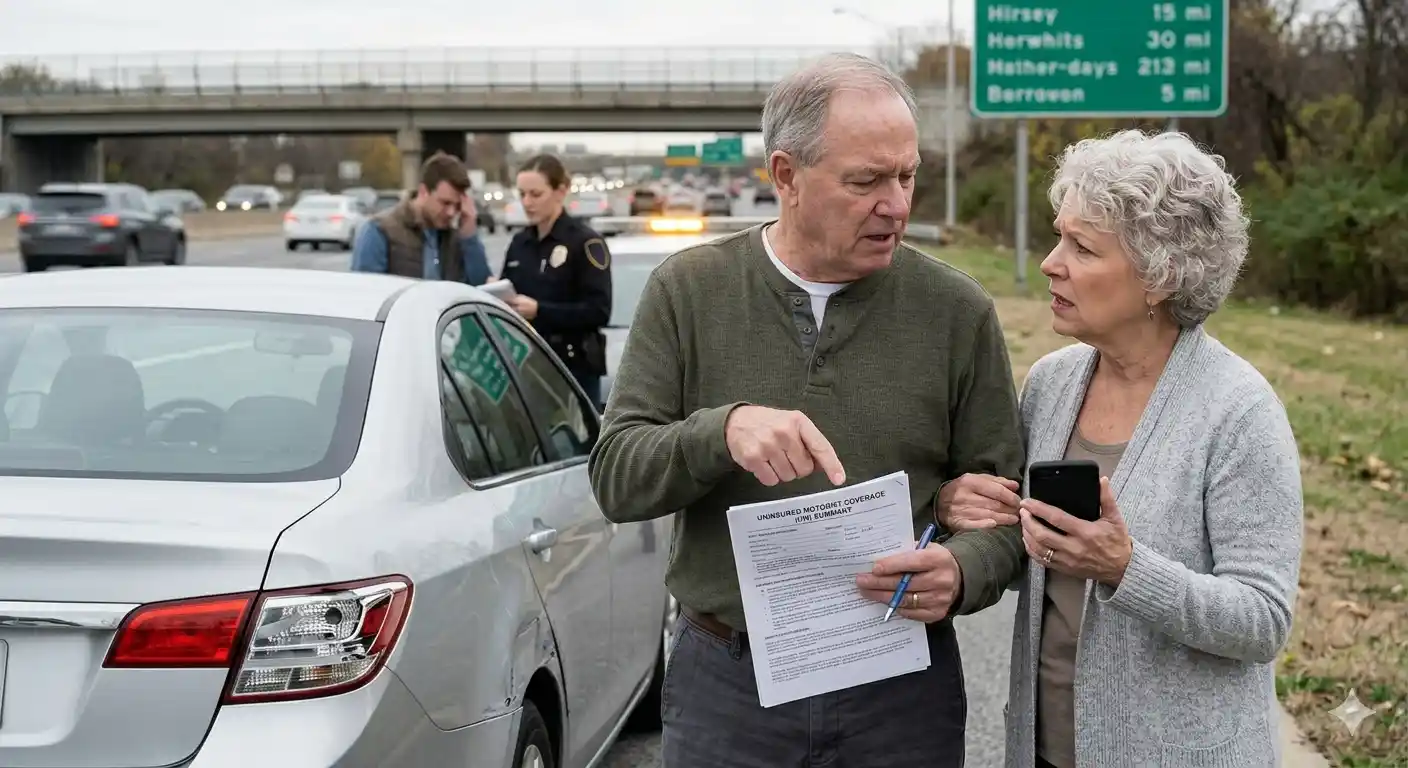
What Does an Uninsured Motorist Claim Cover?
A successful UM claim may provide compensation for several types of damages.
Medical Expenses
This includes all injury-related medical costs such as:
- Emergency treatment
- Hospital stays
- Surgery
- Physical therapy
- Prescription medications
- Future medical care
Lost Income
If your injuries prevent you from working, you may recover:
- Lost wages
- Reduced earning capacity
- Long-term disability income loss
Pain and Suffering
Non-economic damages can include:
- Physical pain
- Emotional distress
- Anxiety after the accident
- Reduced quality of life
Property Damage
In many policies, UM coverage also helps pay for vehicle repairs or replacement.

Why Uninsured Motorist Claims Are Often Underpaid
Even though you are filing with your own insurance company, that does not guarantee fair treatment.
Insurance companies may reduce payouts due to:
Lack of Documentation
Insufficient medical records or accident evidence can weaken your claim.
Disputed Liability
Insurers may argue you were partially or fully at fault.
Questioning Medical Treatment
They may claim your treatment was unnecessary or excessive.
Policy Limit Issues
Many victims misunderstand their actual coverage limits.
Insurance Company Tactics
Delays, low settlement offers, and repeated requests for documentation are common.

How Fault Impacts an Uninsured Motorist Claim
Even though you are dealing with your own insurance company, fault still matters.
Insurers consider:
- Police reports
- Traffic law violations
- Witness testimony
- Video or dashcam evidence
- Accident reconstruction analysis
If liability is disputed, your claim may take longer and require additional evidence.
How Much Is an Uninsured Motorist Claim Worth?
The value of an uninsured motorist claim depends on multiple factors:
- Severity of injuries
- Medical expenses (current and future)
- Lost wages and earning capacity
- Pain and suffering
- Insurance policy limits
Example:
A minor injury case may settle for a few thousand dollars, while severe injury cases involving surgery or permanent disability may result in significantly higher compensation.
How a Car Accident Lawyer Can Help Your Claim
Working with a car accident lawyer can significantly improve your chances of receiving fair compensation.
At More 2 You Law, legal support typically includes:
Investigating the Accident
Building a strong case with evidence and expert analysis.
Handling Insurance Companies
Protecting you from unfair tactics and low settlement offers.
Calculating Full Damages
Ensuring all losses are included, such as future medical care and lost earning capacity.
Negotiating Settlements
Fighting for maximum compensation based on your injuries.
Litigation if Necessary
If the insurer refuses to act fairly, legal action may be taken.
Uninsured Motorist Claim vs Personal Injury Lawsuit
It’s important to understand the difference:
Uninsured Motorist Claim
- Filed with your own insurance company
- Faster resolution in many cases
- Based on policy limits
Personal Injury Lawsuit
- Filed against the at-fault driver
- May result in higher compensation
- Can take longer to resolve
In some cases, both options may be pursued strategically depending on the situation.
How Long Does an Uninsured Motorist Claim Take?
The timeline varies depending on:
- Severity of injuries
- Complexity of evidence
- Insurance company cooperation
- Disputes over liability or damages
Simple cases may resolve within weeks, while complex cases can take several months or longer.
Having legal representation often helps speed up the process by preventing unnecessary delays.
Tips to Strengthen Your Uninsured Motorist Claim
To improve your chances of success:
- Seek immediate medical attention
- Keep detailed records of all expenses
- Follow all treatment plans
- Document injuries with photos
- Avoid discussing your case on social media
- Contact a lawyer early
These steps help build a stronger and more valuable claim.
Why Choose More 2 You Law for Your Case?
Dealing with an uninsured driver can be financially devastating—but you don’t have to handle it alone.
More 2 You Law is committed to helping accident victims recover the compensation they deserve through aggressive negotiation and personalized legal support.
We focus on:
- Protecting your rights
- Maximizing your settlement
- Handling insurance companies for you
- Reducing stress during recovery
Our goal is simple: help you move forward financially and physically after an accident.
Conclusion:
An uninsured motorist claim is one of the most important protections available to drivers today. It ensures that you are not left financially responsible for someone else’s negligence.
However, successfully navigating the insurance claim process requires strong evidence, careful documentation, and often professional legal guidance.
If you’ve been injured in an accident involving an uninsured or underinsured driver, understanding your rights is the first step toward recovery—and taking action quickly can make a major difference in your outcome.
FAQs
1. Can I file an uninsured motorist claim if I was partially at fault for the accident?
Yes, in many cases you still can. Even if you share some responsibility for the crash, you may be eligible for compensation under your uninsured motorist claim, depending on your state’s comparative negligence rules and your policy terms. Your payout may be reduced based on your percentage of fault, but it is not always completely denied.
2. Will filing an uninsured motorist claim increase my insurance premium?
Generally, filing an uninsured motorist claim is treated differently than a standard at-fault accident claim. In many cases, insurers do not increase premiums solely because you used UM coverage. However, premium adjustments can still depend on your insurer’s policies, driving history, and claim frequency.
3. What if my insurance company denies my uninsured motorist claim?
If your claim is denied, you are not without options. You can:
- Request a written explanation for the denial
- Provide additional evidence or documentation
- Appeal the decision through your insurer’s internal process
- Pursue arbitration or legal action if necessary
A denial does not always mean the end of your claim.
4. Is there a time limit to file an uninsured motorist claim?
Yes. Every insurance policy includes a notice requirement and filing deadline, which can vary depending on the insurer and state law. Some policies require you to report the accident “promptly” or within a specific number of days. Missing these deadlines can seriously affect your ability to recover compensation.
5. Can uninsured motorist coverage include compensation for passengers in my car?
Yes. In most cases, uninsured motorist coverage extends to passengers in your vehicle at the time of the accident. They may also be eligible to file a claim under your policy for injuries, depending on the coverage terms and policy limits.
RECENT POSTS

What Must a Slip and Fall Attorney Prove to Win Big?
You didn't see the wet floor because there was no sign warning you it was there. Now you're nursing a fractured wrist, a...

How Does a Personal Injury Lawyer Value a Brain Injury Case?
An 80,000-pound truck just changed your life. You're dealing with injuries, a totaled vehicle, and a trucking company that...

What Does a Car Wreck Attorney Do That You Can’t?
Your car is totaled. Your neck hurts. And an insurance adjuster is already calling, sounding friendly, asking you to "just...